Engineered for high performance, thermal resilience, and clinical compliance in fast-paced veterinary environments across Damascus.
The Syrian capital, Damascus, along with its surrounding rural areas (Rif Dimashq), is undergoing a profound phase of clinical and veterinary healthcare modernization. Veterinary hospitals, academic institutions such as the Faculty of Veterinary Medicine, and private pet clinics in Mezzeh, Abu Rummaneh, and Malki are experiencing increased demands for advanced surgical interventions. Consequently, this shift mandates a dramatic upgrade in disinfection control protocol standards.
For decades, veterinary care focused primarily on basic clinical interventions. Today, modern veterinary surgeons in Damascus perform complex orthopedic surgeries, soft-tissue reconstructions, and advanced dental work. To support these micro-surgical environments, the acquisition of reliable, medical-grade Class B and Class N steam sterilizers is critical. These devices ensure the absolute eradication of biological pathogens, including highly resistant bacterial spores, viruses, and fungal contaminants, thereby safeguarding animal wellness and research integrity.
Operating high-precision electrical sterilization machinery in Syria requires deep design adaptation. Local infrastructure faces dual operational threats: frequent power supply fluctuations (load shedding) and elevated water mineralization levels. As a leading manufacturer, we integrate advanced wide-voltage stabilization systems and automatic power-off memory protection. Additionally, we provide dual-distilled water input integration mechanisms, directly shielding the boiler chambers from calcification and scale build-up.
Selecting the appropriate sterilization thermal cycle based on clinical complexity and load type.
Utilizes active triple-stage pulsing vacuum phases to extract cold air from deep cavities. Recommended for hollow instruments, surgical textile drapes, and complex cannulated veterinary instruments. Ensures 99.9% steam penetration depth.
Designed for solid, un-wrapped surgical instruments. Ideal for quick-turnaround clinics in suburban Damascus requiring immediate re-use of basic dental extraction tools, suture scissors, and solid steel scalpels.
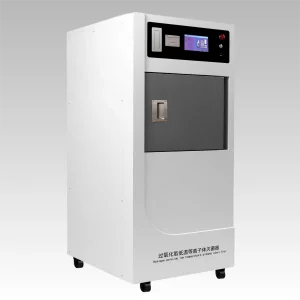
Designed for moisture-sensitive and heat-sensitive surgical components, including fiber-optic veterinary endoscopes, delicate polymer catheters, and laparoscopic camera equipment. Operates under hydrogen peroxide vapor.
Integrating Advanced R&D and Strategic Global Manufacturing to Power Modern Veterinary Intensive Care Units.
Hangzhou WellData Medical Co., Ltd. is a professional manufacturer and supplier specializing in advanced veterinary medical equipment and integrated animal healthcare solutions. The company focuses on the research, development, production, and global distribution of high-quality systems designed for modern veterinary clinics, animal hospitals, and emergency pet care centers.
With a strong emphasis on innovation and precision engineering, WellData Medical provides a comprehensive product portfolio covering Pet ICU units, oxygen therapy systems, veterinary patient monitoring devices, diagnostic imaging solutions, and critical care support equipment. These systems are designed to improve survival rates and treatment efficiency for companion animals and large veterinary patients requiring intensive care and respiratory support.
The company is committed to delivering reliable, user-friendly, and clinically effective solutions that meet international quality standards such as ISO and CE certifications. Its veterinary ICU and oxygen therapy systems are widely used for post-operative recovery, respiratory distress management, and long-term critical care in animal hospitals.
Hangzhou WellData Medical Co., Ltd. integrates R&D innovation with manufacturing excellence, offering OEM/ODM customization services to meet diverse clinical requirements across global markets. With a growing international presence, the company serves veterinary professionals in Asia, Europe, the Middle East, and the Americas.
By combining advanced medical engineering with animal care expertise, WellData Medical continues to support veterinarians with safer, smarter, and more efficient treatment technologies, aiming to become a trusted global partner in veterinary critical care and diagnostic solutions.


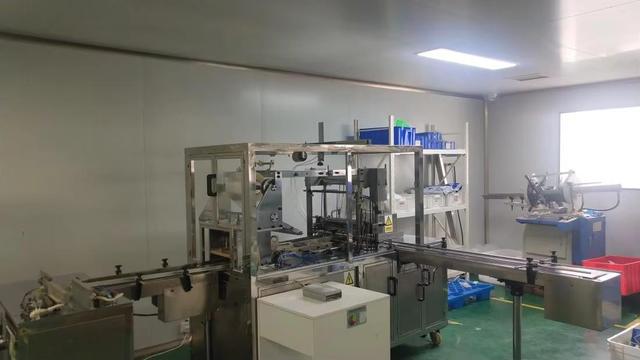
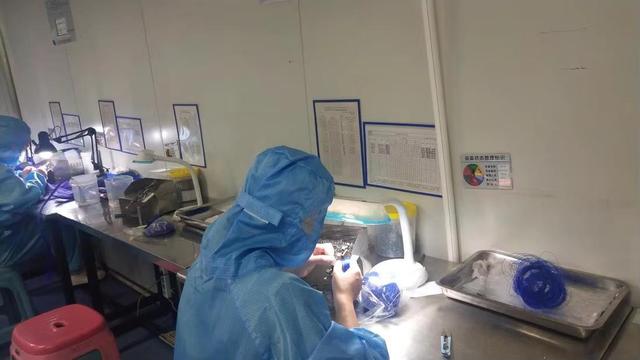
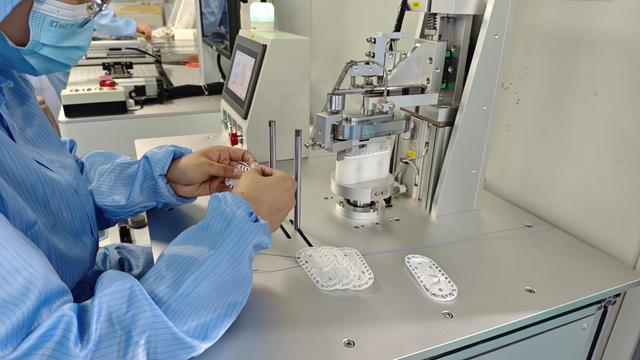
Purchasing capital medical equipment under international market constraints requires strong logistics coordination. As a premier Chinese manufacturer, we address these challenges through optimized supply chain management, direct port routing, and solid export documentation. We route our cargo through major maritime paths from Shanghai or Ningbo directly to Lattakia Port or Beirut Port, utilizing reliable overland corridors to Damascus to guarantee secure delivery.
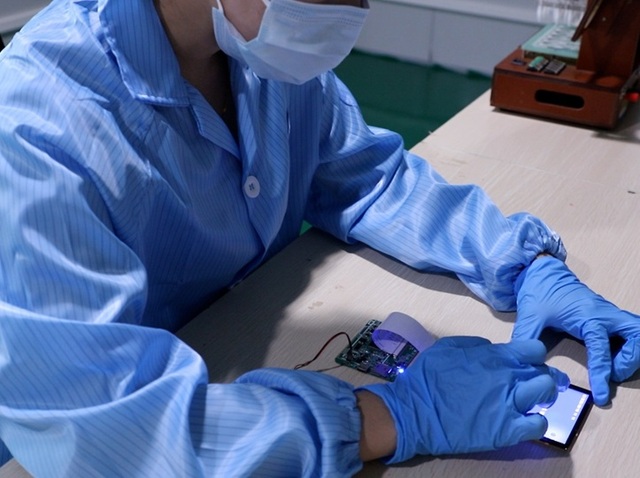
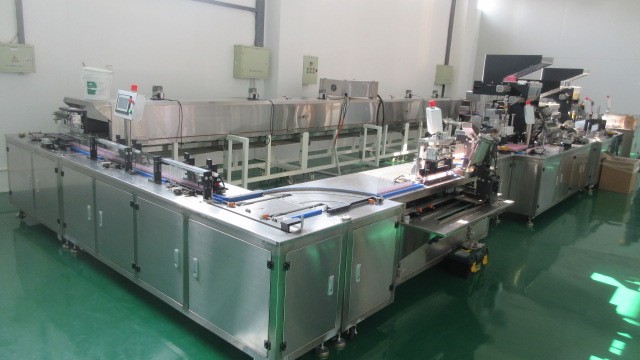
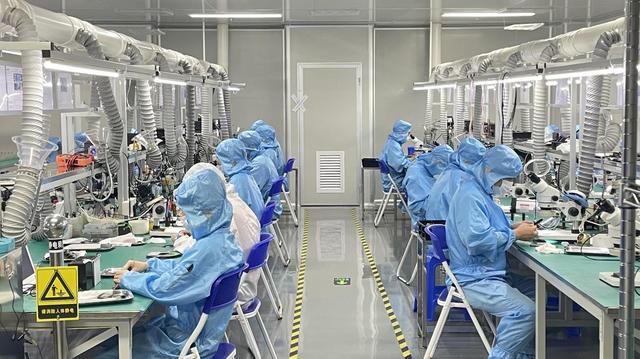
Furthermore, our manufacturing plants implement a vertical production strategy. By manufacturing pressure vessels, control mainboards, and structural frames in-house, we reduce external supply chain risks. We use AISI 304 and 316L pharmaceutical-grade stainless steel to ensure long-term structural integrity. These systems endure continuous operating pressures up to 0.24 MPa at peak sterilization temperatures of 134°C, providing decades of service life.
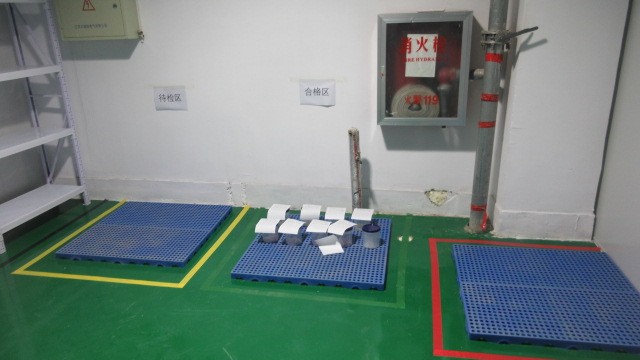
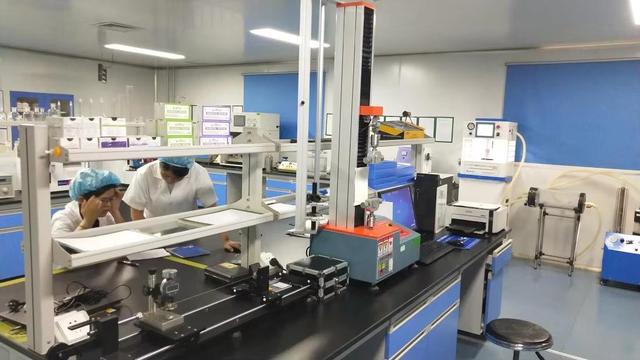
Our Quality Control (QC) protocols comply with CE medical directives (MDD 93/42/EEC) and pressure equipment regulations (PED 2014/68/EU). Each autoclave undergoes rigorous hydrostatic testing at 1.5 times its design pressure limit. This testing ensures complete safety for clinic operators working in high-density urban areas like Damascus.
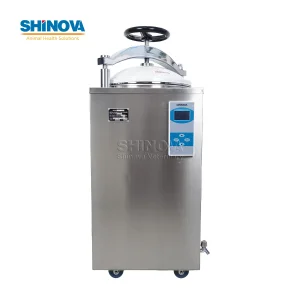
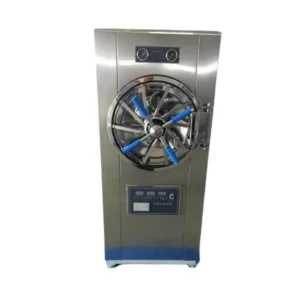
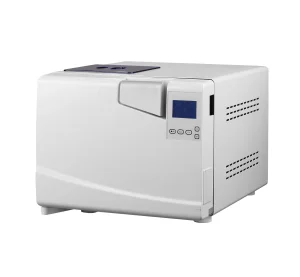
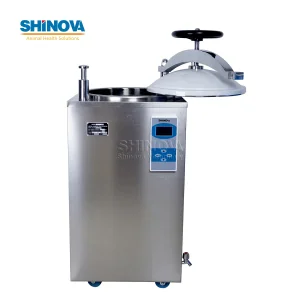
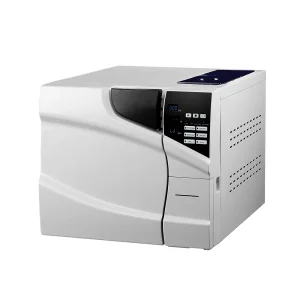
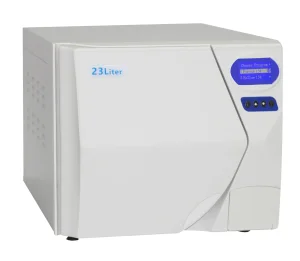
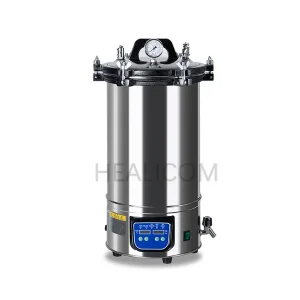
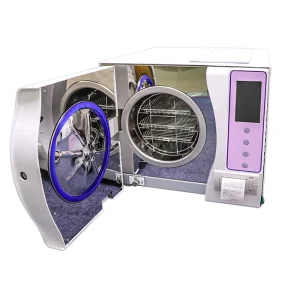
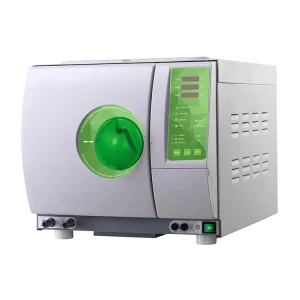
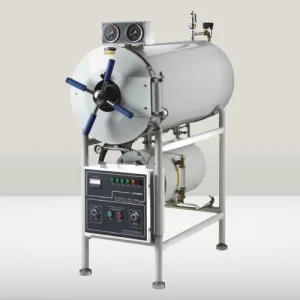
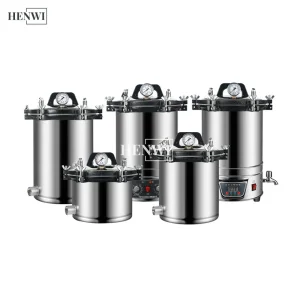
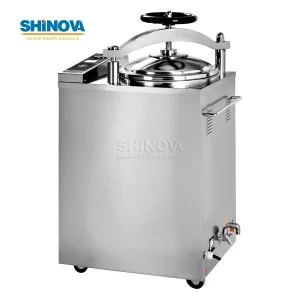
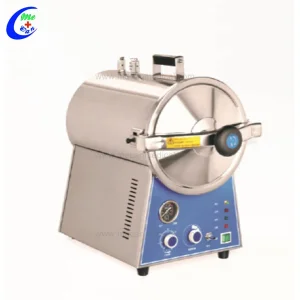
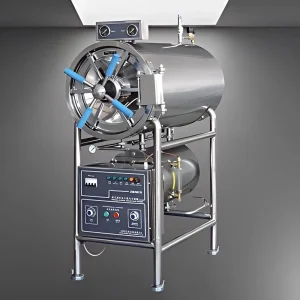
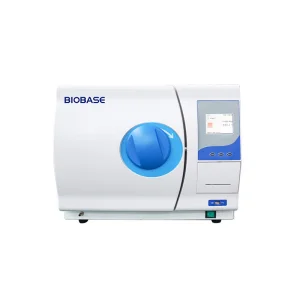
A complete selection of low-temperature plasma, portable vertical pressure, and computerized tabletop autoclaves designed for Damascus veterinary specialists.
Sterilization processes in animal clinical settings are evolving rapidly. Future technologies focus on intelligent process validation and reducing resource consumption. Modern veterinary practices are transitioning from semi-automated sterilizers to intelligent IoT-enabled autoclaves. These systems log thermal data in real time, generate digital validation charts, and auto-detect system faults immediately.
Furthermore, biological monitoring is becoming standard protocol. By using self-contained biological indicators (SCBIs) with Geobacillus stearothermophilus spores, clinical staff in Damascus can verify the lethality of every sterilization run. This scientific approach minimizes post-surgical infection rates, lowers therapeutic antibiotic costs, and enhances surgical safety in general veterinary care.
Essential insights covering engineering parameters, power configuration adjustments, and import protocols.
Our autoclaves exported to Syria are configured to run on 220V/50Hz single-phase or 380V/50Hz three-phase grids. Due to localized voltage drops and power surges in Rif Dimashq, we integrate specialized tolerance relays. These relays protect the microcontrollers and heating elements from fluctuations within ±15% of nominal values.
Class B autoclaves use a vacuum pump to pull air out of hollow tubes, bags, and porous materials before steam is introduced, ensuring complete sterilization. Class N autoclaves rely on gravity to push air downward, making them suitable only for solid, un-wrapped instruments without internal hollow cavities.
We advise veterinary clinics to use water containing less than 15 μS/cm conductivity. Each autoclave features built-in water purity sensors. If you must use local tap water, we provide external deionizers and reverse osmosis filtration units to prevent heating coil corrosion.
Every shipment is accompanied by a CE conformity certificate, ISO 13485 medical manufacturer certification, pressure vessel test report, and commercial documents. These documents can be legalized by consular authorities for smooth customs clearance.
Yes. We offer complete OEM customization. You can choose different chamber capacities, customize the digital display interfaces, integrate custom printing solutions, and add localized Arabic/English software displays for the Damascus and wider Middle East markets.
Low-temperature gas plasma sterilizers operate below 55°C using vaporized hydrogen peroxide. This is the optimal cycle for delicate devices, such as veterinary endoscopy probes, fiber-optics, and heat-sensitive plastics, which would melt or degrade in standard 134°C steam autoclaves.
Contact our clinical applications engineering desk to configure your autoclave, specify voltage regulation features, and coordinate door-to-door freight options to Damascus.
Send Inquiry Now WellData Medical